


Journalists gain insights into Agro-Processing at PRAN workshop
Published on: 11 November, 2025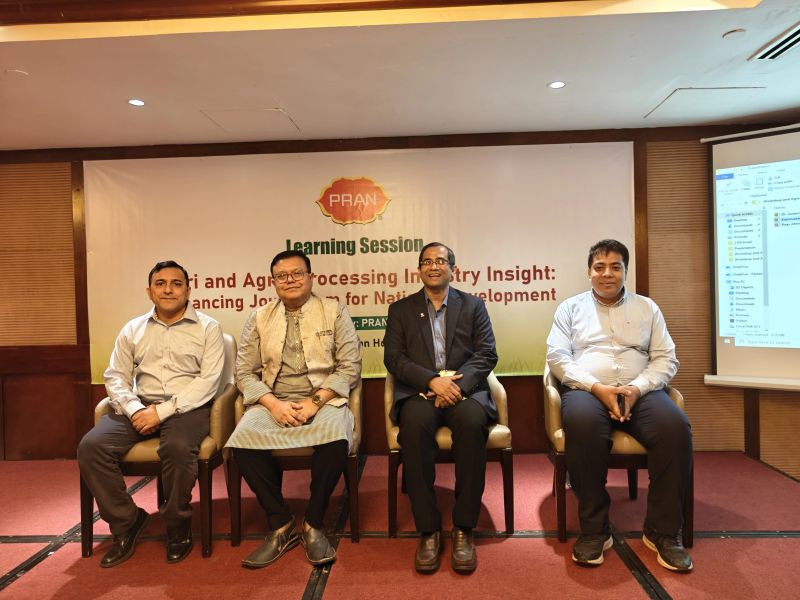
A workshop titled “Agri and Agro-Processing Insight: Enhancing for national development” was held at a hotel in the capital’s Gulshan on Tuesday to highlight the potential, challenges as well as the contribution of Bangladesh’s agro-processing industry to national development.
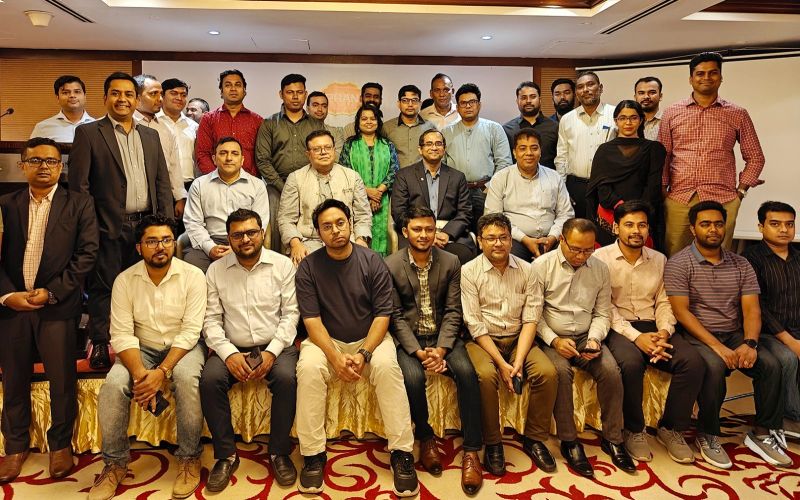
Journalists from various media outlets of the country participated in the workshop organized by Pran Group, the pioneer of Bangladesh’s agro-processing industry.
Dr Khondaker Golam Moazzem, research director of the Center for Policy Dialogue (CPD) presented the keynote in the workshop. In the presentation titled “Agro-processing industry: opportunity and challenges for national Development”, he said: “Agro-processing sector of Bangladesh plays a critical intermediary role between primary agriculture and manufacturing. It contributes significantly to GDP, export diversification, and rural employment. Despite its strategic importance, the sector remains underdeveloped relative to its potential, particularly in terms of value addition, compliance readiness, and export competitiveness.”
He said that the domestic packaged food market, valued at $4.8 billion in 2025, is projected to reach around $8 billion by 2030. Moreover, Export earnings from the sector are rising day by day.
Golam Moazzem also said that Agro-processing firms rely on several types of support, including direct cash incentives for exporters, preferential access to imported inputs and indirect support such as subsidized credit or energy, that may be affected. After the graduation, incentives must shift from cash assistance to competitiveness-enhancing measures such as lower-cost finance through reformed banking procedures and interest rate adjustments, technology upgrading incentives and green technology support.
In a presentation on the present scenario of the country’s agri and agro-processing industry, Kamruzzaman Kamal, marketing director at Pran-RFL Group, said: “Pran Group has been working tirelessly for the development of agriculture in Bangladesh since its inception. Currently, we procure most of the raw materials for the food products we produce locally from farmers and export them to 148 countries.”
He also said that the quality of Bangladesh’s agro-processed products has now achieved international standards. If the country’s media portrays this positive image, people’s trust in domestic brands will increase further. In addition, there are several challenges to advance this sector. If the challenges of collecting raw materials, processing and marketing these products can be met efficiently, the industry will move forward.
Reaz Ahmad, editor at Dhaka Tribune, in his presentation, highlighted the impact of the media in enriching the agriculture and agro-processing industry. He said: “The media does not just disseminate news, but also plays an important role in shaping the views and policies of the society. Continuous positive publicity about the successes of the agriculture and agro-processing sectors, the stories of farmers, innovations and market potential will help move the country's economy forward.”
During the question-and-answer session, the journalists participating in the workshop said that through the workshop, they have learned new perspectives and information about the agro-processing industry, which will play an important role in enhancing their professional excellence.

.png)